
France is the country I know best. I grew up with it, and even now, living in London, it is still the place I keep returning to. This France travel guide brings together the best regions, cities, itineraries and hidden gems so you can plan a trip that goes far beyond Paris.
You will find ideas for where to go in France whether you are planning your first trip, a France by train itinerary, a slow coastal escape or a route through medieval towns and lesser-known villages. From the Eiffel Tower and the Louvre to Troyes, Brittany, Toulouse, the French Riviera and the quieter corners of Paris, this guide is designed to help you choose the right part of France for the trip you want.

France at a Glance
- Language: French. A simple bonjour goes a long way.
- Currency: Euro (€).
- Best time to visit France: April to June and September to October for warm weather and fewer crowds.
- Getting around France: High-speed TGV trains connect major cities, while a car is useful for the countryside and smaller coastal towns.
- Don’t miss: One major city, one small town and one region you have never heard of.
Where to Go in France
France can feel overwhelming because there is so much to see, which is why the easiest way to plan is to choose your trip style first. Whether you want the best cities in France, hidden gems, coastal escapes or medieval towns, this guide will help you narrow it down.
For a First Trip to France
Start with Paris, then add Reims, Strasbourg, Nice, Bordeaux or Brittany depending on your interests.
For France by Train
Troyes, Reims, Lille, Rouen, Dijon, Bordeaux, Strasbourg and Lyon are all strong city break options that work well without a car.
For Hidden Gems in France
Look at Pantin, Limoges, Metz, Bécherel, the Golfe du Morbihan, Béziers, Narbonne or the quieter corners of the French Riviera.
For Medieval France
Explore Provins, Dinan, Rouen, Troyes, Carcassonne and Saint-Malo, or use this guide alongside my pages on medieval towns in France and walled cities in France.
For the South of France
Base yourself in Nice, Marseille, Aix-en-Provence or Montpellier, then add day trips to Cassis, Villefranche-sur-Mer, Antibes, Menton, Èze, Monaco, Grasse, Cannes or the Lérins Islands.
For Slow Coastal France
Choose Brittany, the Golfe du Morbihan, Saint-Malo, Dinard, the Rhuys Peninsula, Honfleur, Étretat, Cassis or the French Riviera beyond the busiest resorts.
How to Plan a Trip to France
France rewards depth over distance. Instead of trying to see everything, choose one region or one route and give yourself time to enjoy it properly.
A strong France itinerary often includes one city, one small town and one countryside or coastal stop. That combination gives you a fuller sense of the country in a single trip. For example, Paris, Troyes and the Champagne region; Nice, Villefranche-sur-Mer and Menton; or Rennes, Saint-Malo and the Golfe du Morbihan.
Book trains early where you can, especially on popular routes like Paris to Bordeaux, Marseille or Lyon. TGV fares often rise closer to departure, so planning ahead can make a big difference. For smaller towns, always check whether the station is central or whether you will need a bus, taxi or car for the final stretch.
Most importantly, leave space in your itinerary. Some of the best moments in France come from unplanned discoveries: a market, a long lunch, a quiet street or a viewpoint you were not expecting.
When to Visit France
France is a year-round destination, but the best time to visit depends on where you are going. Spring and early summer are ideal for cities, small towns and cultural trips, with pleasant weather and lively terraces.
July and August are best for the coast, the mountains and slower itineraries, but they can also be hotter, busier and more expensive. In Paris, many independent restaurants and shops close in August, so it is worth checking opening hours carefully.
Autumn is one of the best seasons in France, especially for Bordeaux, Burgundy, Champagne, Alsace and the South of France. Winter has its own appeal too, with Christmas markets in Strasbourg and Colmar, festive lights in Paris and mild weather on the French Riviera.
Best Regions in France
France has 13 regions in metropolitan France, including Corsica, and each one has its own architecture, food, accent and landscape. If you are deciding where to go in France, it helps to think of the country by mood as much as by map.
This section covers the regions that most naturally fit a first trip, a return visit or a slower journey through France. You will also find plenty of ideas for train travel, food-focused breaks and hidden gems along the way.
Paris, But Make It Local
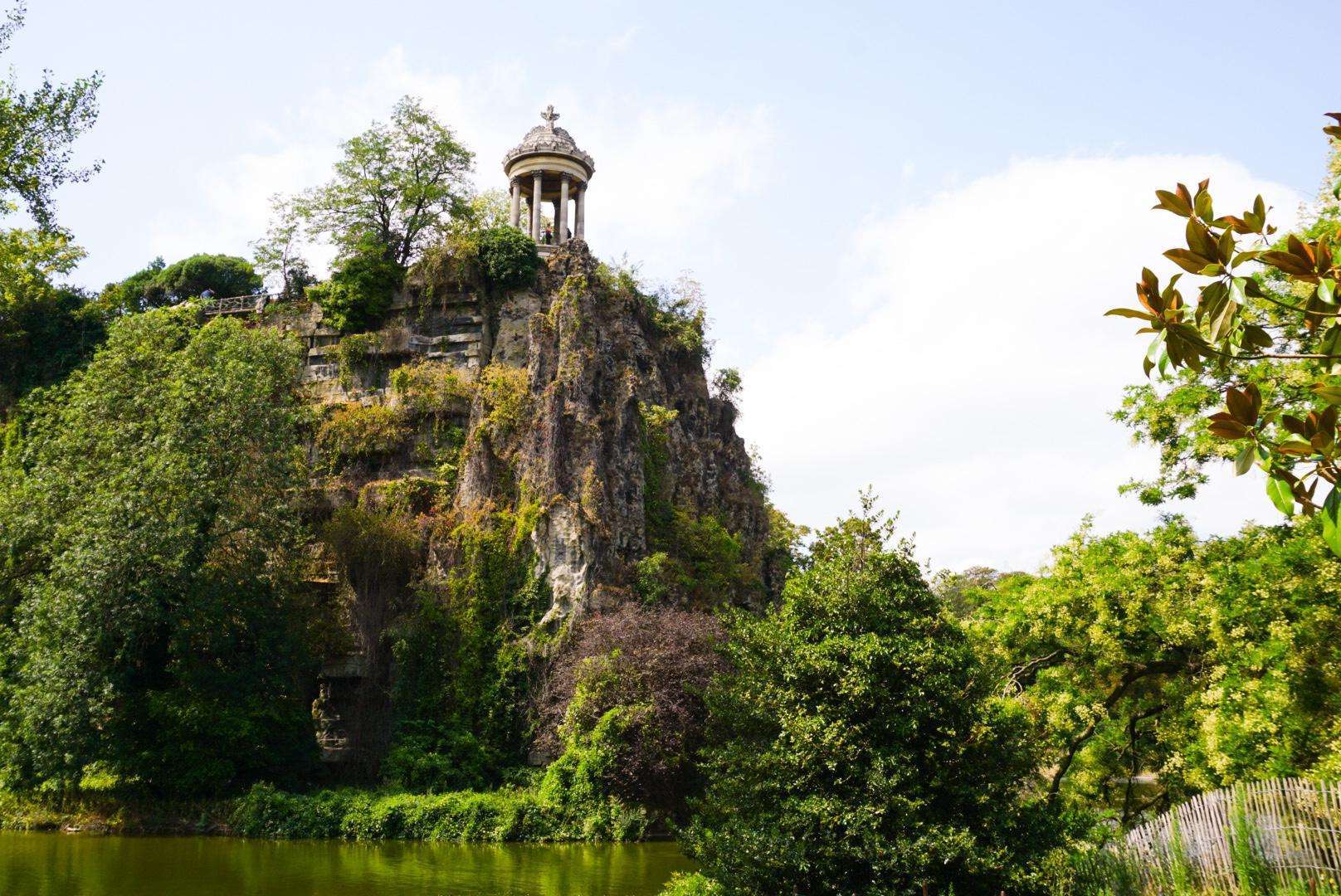
You do not need me to tell you to see the Eiffel Tower. What matters more is discovering the Paris beyond the postcards: the village-like streets of Montmartre, the courtyards and historic lanes of Le Marais, the street art of Belleville, the peaceful slopes of Parc des Buttes-Chaumont and the relaxed waterside atmosphere of Canal Saint-Martin.
Paris is also a city of neighbourhoods, and some of the best ones are not the most obvious to first-time visitors. The 19th arrondissement is one of my favourite parts of the city for a more local feel, while creative Pantin shows a different side of Greater Paris, with canals, converted industrial spaces and a slower rhythm than the centre.
For art and architecture lovers, the Louis Vuitton Foundation is well worth making time for if you want something beyond the classic museum route. And when the city feels too intense, the day trips from Paris are excellent: medieval Provins, the royal Château de Fontainebleau, Champagne-filled Reims or my beloved Troyes, which is around 90 minutes from Paris by train.

Normandy and Northern France
Normandy delivers exactly what many people imagine France to be: dramatic white cliffs, half-timbered houses, historic towns, apple orchards and seafood by the water.
Étretat is famous for its white cliffs and natural arches, while Honfleur has one of the prettiest harbours in France. Rouen is ideal if you love medieval streets, Gothic architecture and layered history. It is also where Joan of Arc’s story ended, which gives the city a darker, more moving edge beneath its postcard beauty.
Further north, Lille makes a brilliant weekend break with its Flemish façades, lively squares and excellent food scene. Amiens is quieter but deeply rewarding, with floating gardens, canals and France’s largest Gothic cathedral. To the east, Reims pairs royal coronation history with Champagne cellars, making it one of the easiest and most satisfying day trips or overnight stays from Paris.

Brittany: My Off-the-Beaten-Track Favourite
Brittany is one of the regions I return to most, and for good reason. It rewards slow exploring like almost nowhere else in France. The landscapes are rugged and coastal, the towns are full of character, and the food is simple in the best possible way: galettes, cider, butter, seafood and oysters.
Start with the best things to do in Brittany, then choose your base depending on the trip you want. Saint-Malo is walled, dramatic and full of maritime history. Dinard has a Belle Époque seaside elegance. Dinan is one of the best-preserved medieval towns in France. Bécherel is a tiny book town, perfect for a slower, literary detour.
For coast, islands and oysters, the Golfe du Morbihan is one of Brittany’s most beautiful areas. Vannes makes an ideal base, especially if you want to explore the old town, take boat trips and reach places like the Rhuys Peninsula, Auray and Saint-Goustan.
Nantes is now in Pays de la Loire rather than modern Brittany, but it remains historically linked to the region and works well as a creative city break with art, architecture and riverside walks.
Alsace, Lorraine and Eastern France
Along the German border, France changes accent. The architecture becomes more colourful, the food gets heartier and the towns feel like they belong to a slightly different world.
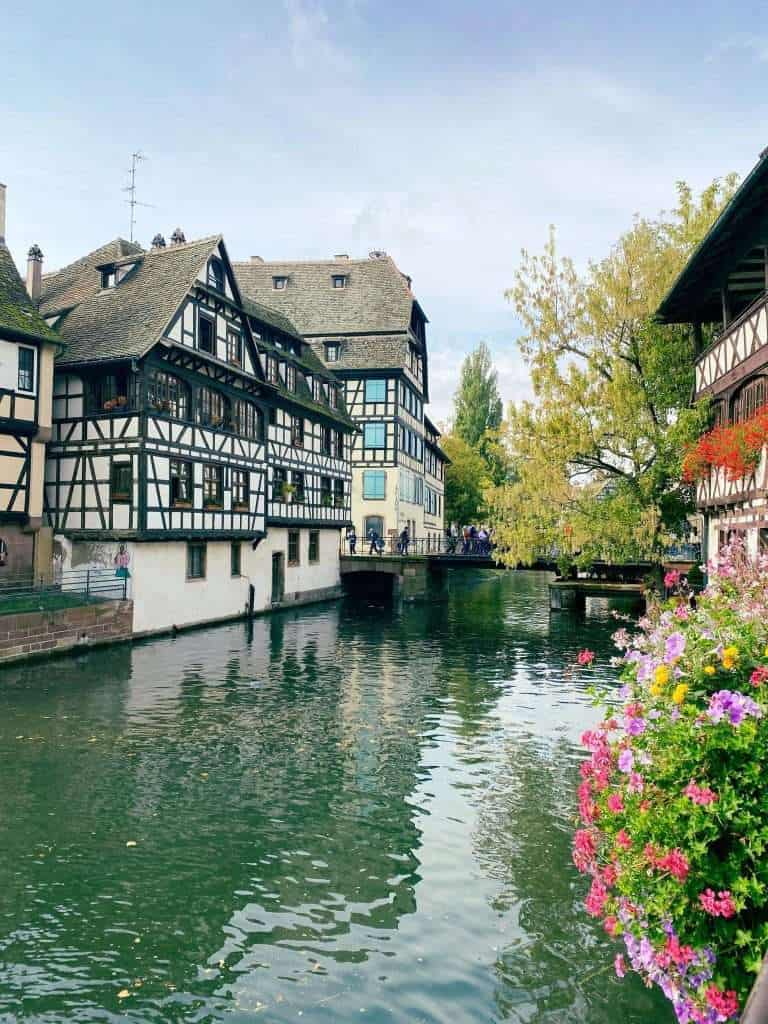
Strasbourg and Colmar are the stars of Alsace, especially in winter when the Christmas markets take over the old streets. Strasbourg is grander and more urban, with its cathedral, canals and European institutions, while Colmar is smaller, prettier and more storybook in feel.
But eastern France is not only Alsace. Metz is one of the most underrated cities in France, with golden stone, riverside walks, contemporary art and a softer pace than Strasbourg. Nancy is elegant and classical, best known for Place Stanislas, one of the most beautiful squares in the country.
Further south, Dijon anchors Burgundy with ducal history, mustard, excellent food and serious wine country nearby. It is one of the best French city breaks if you want culture, gastronomy and walkable streets without the intensity of a larger city.
Lyon, the Alps and the Rhône
Lyon is often described as France’s food capital, but it is also one of the country’s best city breaks. It has Roman ruins, Renaissance courtyards, riverside walks, painted walls, excellent museums and a food culture that feels deeply rooted rather than performative.
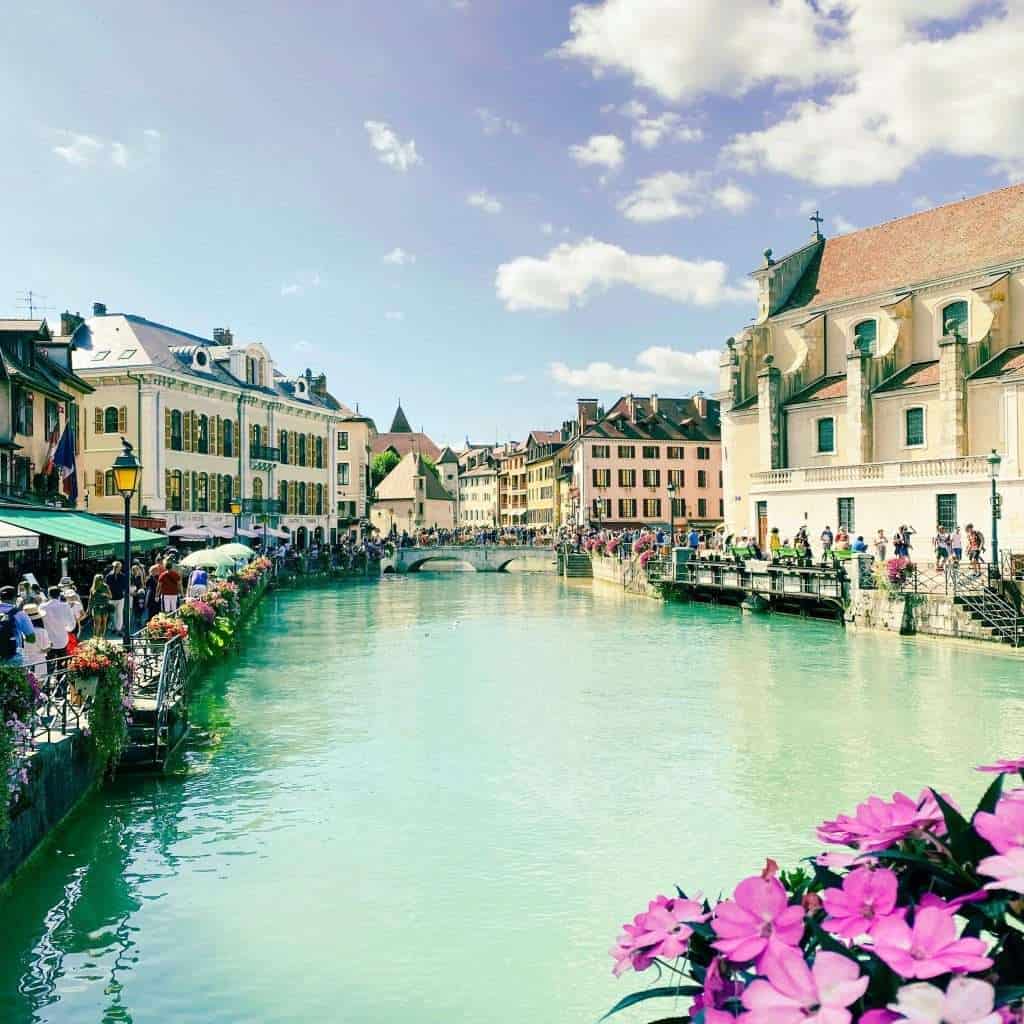
From Lyon, you can easily reach some of the most beautiful places in eastern France. Annecy is famous for its lake, canals and mountain views, while Grenoble sits at the gateway to the Alps, surrounded by peaks and cable cars. Grenoble is especially interesting if you like a mix of street art, mountain scenery and a slightly alternative city feel.
This part of France works well if you want to combine city culture with fresh air. You can spend a weekend in Lyon, then add Annecy for lakeside beauty or Grenoble for an Alpine edge.
South-West France and Occitanie
The south-west of France is vast, varied and full of surprises. It stretches from Atlantic wine country and grand 18th-century cities to pink-brick streets, medieval fortresses, Roman remains and Mediterranean energy.
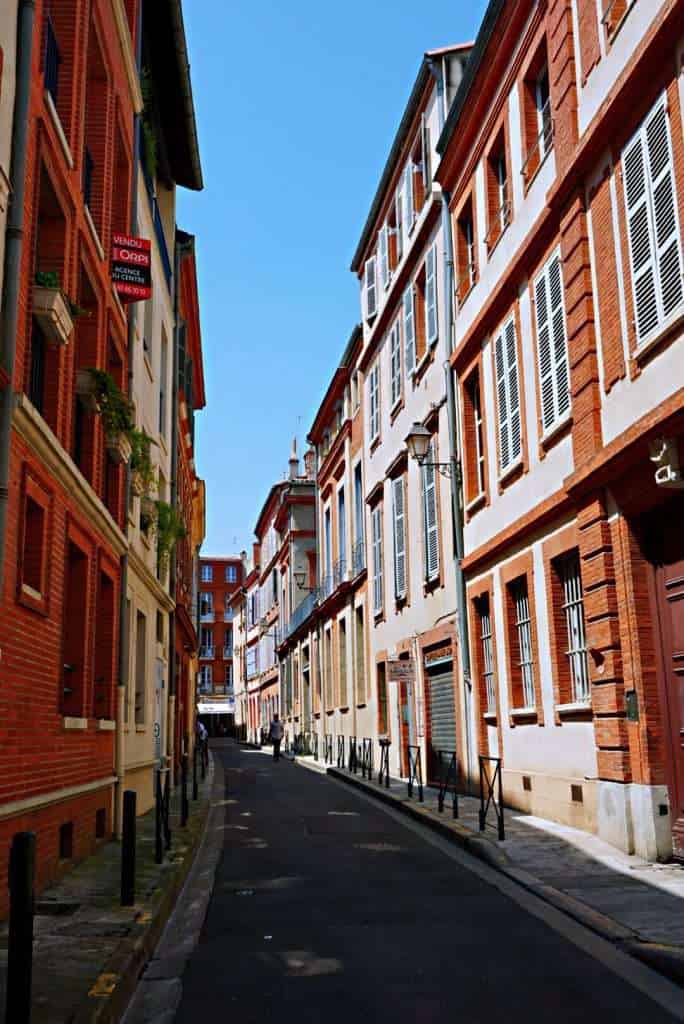
Toulouse, known as the Pink City, is one of the best bases in Occitanie. It is warm, lively and full of red-brick architecture that glows beautifully at sunset. Nearby Albi feels smaller and more dramatic, with its fortress-like cathedral and riverside views.
Carcassonne is the region’s medieval showstopper, with its walled cité rising like something from a storybook. It is popular, but still worth seeing, especially if you are interested in medieval France. Montpellier brings a younger, student-filled energy, while Narbonne offers Roman history, markets and a more relaxed pace. Béziers is another underrated option, especially if you want a less obvious stop in the South of France.
Further west, Bordeaux means wine, elegant architecture and riverside grandeur. It also works well as a base for nearby escapes, including the Dune du Pilat, Saint-Émilion and the Atlantic coast. Inland, Limoges is an underrated city with porcelain heritage, historic quarters and a quieter feel than many better-known French destinations.

Provence and the French Riviera
The South of France needs no selling, but it does reward a little insider planning. The best trips here are not only about famous beaches and glamorous names. They are about old ports, hilltop villages, markets, coastal walks, colourful façades and slow lunches in the shade.
Marseille is raw, brilliant and still underrated by many visitors. It is one of the most interesting cities in France, with a strong identity, a dramatic coastline and a food culture shaped by the Mediterranean. Three days in Marseille is a good amount of time, especially if you want to include the Old Port, Le Panier, the Corniche, museums and the Calanques.
Nearby, Aix-en-Provence offers a more polished Provençal experience, with elegant streets, fountains, markets and Cézanne connections. Cassis is smaller and prettier, with a fishing port, turquoise water and access to the Calanques.
On the French Riviera, Nice makes the easiest base. From there, you can explore Villefranche-sur-Mer, Beaulieu-sur-Mer, Èze, Monaco, Menton, Antibes, Cannes, Grasse, Saint-Paul-de-Vence and the Lérins Islands. Each place has a different mood: Villefranche is colourful and relaxed, Menton is sunny and Italianate, Antibes has old-town charm, Cannes has glamour but also quieter island escapes, and Èze delivers the classic hilltop-village view.
France Itineraries and Trip Ideas
A good France itinerary does not need to cover the whole country. It just needs a clear rhythm. These are some of the easiest ways to start planning.
A classic week in the South of France: follow a 7-day French Riviera itinerary from Nice to Menton, with stops in Villefranche-sur-Mer, Èze, Monaco, Antibes and Cannes.
A long weekend from Paris: spend 48 hours in Troyes, one day in Reims, a weekend in Rouen or a short break in Lille.
A city break with wine: choose Bordeaux, Dijon, Reims or Lyon, depending on whether you prefer grand architecture, Burgundy charm, Champagne history or food culture.
A slow coastal trip: spend a week around Brittany’s Golfe du Morbihan, using Vannes as a base for islands, oyster ports, medieval towns and quiet peninsulas.
A medieval France route: combine Provins, Troyes, Rouen, Dinan, Saint-Malo and Carcassonne, or use my medieval towns of France and walled cities of France guides as a starting point.
A South of France culture trip: pair Marseille with Aix-en-Provence and Cassis, or combine Toulouse, Albi, Carcassonne, Narbonne and Montpellier.
A France by train itinerary: travel from Paris to Reims, Strasbourg, Dijon, Lyon, Bordeaux or Nice, then use local trains and day trips to explore more slowly.
France by Travel Style
Sometimes the best way to choose where to go in France is not by region, but by mood.
For medieval towns: Provins, Rouen, Troyes, Dinan, Saint-Malo and Carcassonne are some of the strongest places to start.
For colourful architecture: Menton, Colmar, Toulouse, Albi, Villefranche-sur-Mer and Strasbourg all deliver beautiful streets and strong visual character.
For coastal escapes: choose Brittany, Étretat, Honfleur, Cassis, Villefranche-sur-Mer, Antibes, Cannes, Île Sainte-Marguerite or the quieter corners of the French Riviera.
For food and wine: Lyon, Dijon, Bordeaux, Reims, Troyes, Brittany and Alsace all make excellent food-focused trips.
For easy trips from Paris: Provins, Reims, Rouen, Troyes, Lille, Fontainebleau and Amiens are all manageable without a car.
For underrated cities: Limoges, Metz, Nancy, Grenoble, Béziers, Narbonne and Nantes are ideal if you want somewhere with culture and character but fewer crowds.
For art and architecture: Paris, Lille, Metz, Nancy, Lyon, Marseille, Nantes and Le Havre are all worth considering, depending on your style.
For romantic small-town France: Dinan, Colmar, Saint-Malo, Honfleur, Villefranche-sur-Mer, Menton and Troyes are hard to beat.
Getting Around France
The TGV network is the best way to travel between major French cities. Paris to Bordeaux, Rennes, Strasbourg, Lyon and Marseille can usually be done in around two to three hours, which makes train travel faster and easier than driving for many itineraries.
For the countryside, small towns, villages and coastal detours, a car becomes more useful. Brittany, Provence, Occitanie and some parts of the Riviera are much easier to explore when you are not relying only on train timetables.
The best approach is often to mix the two: take the train between major hubs, then hire a car for the corners. For example, you could take the train to Rennes or Vannes, then drive around Brittany; take the train to Marseille, then explore Cassis and Provence; or take the train to Nice, then use local transport for the Riviera.
If you are nervous about driving, start with my guide to driving in France, which covers tolls, priority rules, speed limits, parking, roundabouts and the things international drivers often find confusing.
Where to Stay in France
I prefer hotels that are practical, well located and comfortable rather than overly showy. When I review hotels, I focus on places I have actually stayed in and whether they work for the kind of trip I would recommend.
For the French Riviera, OKKO Hotels Nice works well as a base for exploring Nice and nearby towns by train. In Alsace, voco Strasbourg Centre offers a calmer stay away from the busiest streets while still being useful for sightseeing. In the Alps, Park Hotel Grenoble MGallery is a stylish option for a Grenoble city break. In Bordeaux, Hilton Garden Inn Bordeaux is a practical base for exploring the city and surrounding area.
You will find more hotel suggestions inside individual city guides, especially where the location makes a big difference to the trip.

What to Eat in France
Eating regionally is half the reason to travel in France. The menu changes as fast as the landscape, and the best thing you can do is order what the region does well.
Brittany is known for galettes, savoury buckwheat crêpes, cider, salted butter caramel and oysters from the Golfe du Morbihan. Normandy brings Camembert, apples in every form, cider and seafood. Alsace is where you will find choucroute, flammekueche, kougelhopf and white wines in traditional winstubs.
Lyon is all about bouchons, quenelles, praline tart and the full food-capital experience. Book ahead if there is somewhere specific you want to try. The south-west is ideal for cassoulet, duck, canelés and excellent wine, while Provence and the Riviera deliver bouillabaisse, socca, Provençal vegetables, olive oil, seafood and long lunches near the water.
Champagne and Burgundy also deserve attention. In Reims, cellar tours are a highlight, while around Troyes and in Burgundy you can enjoy growers’ bottles, mustard, boeuf bourguignon, escargots and rich, comforting dishes.
Practical Tips for Visiting France
Always begin with bonjour. Walking into a shop, bakery or café and starting straight away in English is one of the fastest ways to get a frosty response. A simple greeting changes the tone.
Lunch matters. In many places, especially smaller towns, kitchens serve lunch roughly between 12pm and 2pm, then close until dinner. Plan your day around meals rather than assuming you can eat properly at any time.
Sundays are quiet by design. Many shops close, especially outside large cities, but museums and major attractions often remain open. Use Sundays for slow sightseeing, markets, walks and long lunches.
Service is included in restaurant bills. You do not need to tip heavily, but rounding up or leaving a few euros for good service is appreciated. Cards are accepted almost everywhere, but it is still useful to keep a few coins for market stalls, public toilets, village bakeries or smaller purchases.
Pack for walking. France’s old towns are full of cobbles, steps, hills and uneven lanes. Comfortable shoes will make every destination in this guide more enjoyable.

France Without the Crowds
The best of France is rarely only where the queues are. Swap a fifth day in Paris for Troyes, Reims, Fontainebleau or Pantin. Trade Saint-Tropez for Cassis, Villefranche-sur-Mer, Menton or Port Grimaud.
Choose Metz over a third visit to Strasbourg, Béziers or Narbonne over Montpellier in August, and the Rhuys Peninsula over the busiest Riviera beaches. That does not mean avoiding famous places completely. Paris, Nice, Strasbourg, Bordeaux and Marseille are popular for good reasons.
The most memorable trips usually happen when you balance the headline destination with somewhere quieter nearby. Every guide on this page leans that way: towards the France of local markets, medieval streets, regional food, independent hotels, coastal paths, quiet corners and cities with more personality than polish.
More France Inspiration
Still deciding where to go? Start with my guide to the regions of France if you want to understand the country as a whole, or browse every France article in the France archive.
For more ideas, read 20 reasons to love France, the best beaches in France, my guide to medieval towns in France, the most beautiful walled cities in France, or my full collection of French Riviera, Brittany, Normandy, Paris and South of France guides.
France Travel Guide FAQs
When is the best time to visit France?
April to June and September to October are the sweet spots for most trips to France. The weather is usually pleasant, terraces are open and the crowds are lighter than in peak summer. Summer is best saved for the coast, while winter works beautifully for Christmas markets in Alsace, festive lights in Paris and mild Riviera sunshine.
How many days do you need in France?
A week gives you enough time to explore one region properly. You could do Paris with a day trip or two, a focused 7-day French Riviera itinerary, or a slower week in Brittany. With two weeks, you can pair a city with a region, such as Paris and Normandy, Lyon and Burgundy, or Nice and Provence, without rushing too much.
Do you need a car to travel around France?
You do not need a car between major cities. The TGV is usually faster, easier and less stressful than driving. A car becomes useful in the countryside, small villages, coastal areas and regions where trains do not reach every place you may want to visit.
Where should I go in France besides Paris?
For a first trip beyond Paris, choose Nice and the French Riviera for the coast, Strasbourg and Colmar for Alsace, Saint-Malo and Dinan for Brittany, or Toulouse and Carcassonne for the south-west. If you prefer underrated cities, look at Metz, Limoges, Nancy, Grenoble, Narbonne or Troyes.
What is the easiest place to visit in France from Paris?
Reims, Rouen, Lille, Troyes, Fontainebleau and Provins are some of the easiest places to visit from Paris by train. Reims is best for Champagne, Rouen for medieval streets, Lille for a lively city break, Troyes for half-timbered houses, Fontainebleau for a royal château and Provins for a medieval day trip.
What is the best region of France for a first trip?
It depends on the kind of trip you want. For beaches and colour, choose the French Riviera. For medieval towns and coast, choose Brittany. For food and wine, choose Burgundy, Lyon or Bordeaux. For Christmas markets and fairytale towns, choose Alsace. For a mix of culture, coast and city energy, choose Provence and Marseille.
Is France easy to travel around by train?
Yes, France is one of the easiest countries in Europe to explore by train, especially between major cities. High-speed trains connect Paris with places like Bordeaux, Lyon, Strasbourg, Rennes, Marseille and Nice. Smaller towns may require regional trains, buses or a car, so always check the final part of the journey before booking.
What are the best hidden gems in France?
Some of my favourite underrated places in France include Troyes, Metz, Limoges, Bécherel, the Golfe du Morbihan, Pantin, Narbonne, Béziers, Port Grimaud and the Rhuys Peninsula. They all offer a different side of France without the crowds of the most famous destinations.