
Discover the Best of Chateau de Fontainebleau: A Visitor’s Guide
Last Updated on 03/06/2026 by Mayi
If you’re planning a trip to Paris and want to add a historic day trip, check out the Château de Fontainebleau. It’s a UNESCO site with some cool royal connections!

France is a dream destination for many, and with so much to see, putting together an itinerary can be tricky. Paris has tons of activities and attractions, but if you’re looking to break from the city’s hustle and bustle, Fontainebleau is a fantastic choice. Sure, Versailles gets all the attention, but Fontainebleau offers a quieter and just as interesting look into French history. This castle is the perfect attraction whether you’re spending three days or five days in Paris.
Just 55 kilometres outside the city in the Seine-et-Marne department, this beautiful palace is packed with history, stunning architecture, and a ton of culture to explore.

Château de Fontainebleau – a UNESCO Heritage Site
France is famous for its incredible architectural history, with more than 45,000 castles and fortresses spread across the country. There’s definitely plenty to explore! While most tourists flock to the Château de Versailles when they visit Paris, there are other amazing castles nearby, like the Château de Chantilly and the Château de Fontainebleau.
Kings’ Influence on Fontainebleau
The Château de Fontainebleau was initially built on marshy land and now spans about 45,000 square meters. It features around 1,530 rooms, 200 of which are open to visitors. King François I (Francis I) was a big part of its history, rebuilding and expanding much of the castle. When he moved from the châteaux of the Loire Valley to Fontainebleau in 1528, he brought in talented Italian artists like Rosso and Primaticcio for the decor.

When you visit, you’ll find stunning rooms decorated with beautiful stuccoes and frescoes from the Renaissance, like the breathtaking Ballroom. After the royal court moved to Versailles in 1682, Château de Fontainebleau didn’t lose its charm. King Louis XIV kept enhancing it, particularly during his autumn hunting trips. This is when landscape designer André Le Nôtre created the impressive Grand Parterre. In the 18th century, the castle remained important in French history. The Trinity Chapel was the site of Louis XV and Marie Leczynska’s wedding in 1725, and it’s also where Napoleon III was baptized in 1810. Designated a UNESCO World Heritage site in 1981, the château also played a key role during World War II when it served as NATO headquarters from 1949 to 1967.
Why should you visit the château de Fontainebleau?

Fontainebleau is one of France’s coolest historic châteaux, having hosted 34 kings and two emperors. It’s not just famous for its ties to Francis I and the Renaissance; it’s also been shaped by Napoleon, who made quite an impact despite only staying there for a short time. The château is surrounded by a game-rich forest, making it perfect for hunting, and it’s close to Paris, which adds to its charm.
Even though the French sometimes overlook it, Fontainebleau attracts loads of foreign tourists. If you’re in the Paris area, visiting Fontainebleau is a must, as it offers a fascinating glimpse into France’s royal history. Some highlights include:
- It’s less crowded than Versailles
- There’s a ton of historical significance
- The gardens are absolutely stunning

What are the best things to see and do in Fontainebleau?
- Check out the Château de Fontainebleau—it’s definitely worth a visit!
- You can wander through the beautiful castle gardens for free and even take a boat ride on the Carp pond.
- Don’t forget to stroll around the pedestrian streets in the town of Fontainebleau and soak in the atmosphere.
- If you’re up for some adventure, hike in the Fontainebleau Forest, the biggest forest in Île-de-France, where you’ll find some really unique rock formations.
- Also, take a walk through the village of Barbizon and see where famous landscape painters used to hang out. Make sure to visit the picturesque medieval town of Moret-sur-Loing and enjoy the lovely views along the Loing River.
- And while you’re at it, check out the expansive park around Courances Castle, which has sparkling springs and a stunning Japanese garden.


Visit the Napoleon I Museum


Inside the Château de Fontainebleau, there are several lovely areas to explore. Start by admiring the impressive horseshoe staircase built for Louis XIII—it faces the lovely garden and is an iconic spot for photos in the central courtyard. As you begin your self-guided tour, the first stop is the Napoleon I Museum, followed by the Grand Apartments, which include the Pope’s Apartment, the Central Grand Apartments, and Napoleon I’s Private Apartment. At the Napoleon I Museum, you can dive into the Emperor’s 10-year reign with loads of interesting exhibits. You’ll see personal items, clothing, porcelain collections, and even military gear. It’s a great way to learn about the rise and fall of France’s first emperor while you explore!


Admire the Grand Apartments
The best part of visiting the Château de Fontainebleau is definitely the royal apartments, especially the King’s and Queen’s rooms. These rooms really show how French interior design has changed over the years. They are filled with beautiful tapestries, fancy furniture, and amazing artwork, giving you a taste of what royal life was like.
You can’t miss Napoleon I’s apartment, especially his Throne Room, which is one of the last of its kind in France. It’s located in the old King’s Chamber, and you’ll be blown away by how richly decorated everything is. You will also see the room once belonging to Napoleon’s son, the King of Rome. Other rooms include the Pope’s apartments and the space used by Empress Eugénie for relaxation.

Be Impressed with François I (Francis I) Gallery


Exploring the different rooms of the château is a real treat, especially when you see the gorgeous François I Gallery. This space is full of amazing Renaissance art, with intricate stucco work and stunning frescoes. François I loved the Italian Renaissance style, so he brought in Italian artists to spruce up the palace area where the gallery is located. But that’s just one of the beautiful galleries in the palace! You’ll also find the Galerie des Cerfs, the Galerie de Diane, the Galerie des Colonnes, and the Imperial Theatre of Napoleon III, all decked out with fabulous Italian art.
The Imperial Theatre, the Ballroom & Palace Theatre
The Imperial Theatre is another cool spot in the Château de Fontainebleau. It was originally made for the imperial court and is super fancy, with velvet drapes, golden balconies, and crystal chandeliers. The whole place really takes you back to a time of opulent luxury, thanks to the rich fabrics and elegant lighting.
Don’t forget about the ballroom, which was designed during King Henry II’s reign. It’s part of the area that François I renovated and boasts lovely wood panelling, bronze lamps, big windows, and Italian Renaissance-style frescoes.
And I have to mention the Palace Library, which is just as stunning as all the other rooms. Imagine stepping inside! Built during Napoleon III’s time, it’s tucked away in the Diana Gallery. Unfortunately, visitors can’t wander through the gallery to help preserve the impressive collection of 20,000 books housed there.

Exploring the Gardens of the Château de Fontainebleau
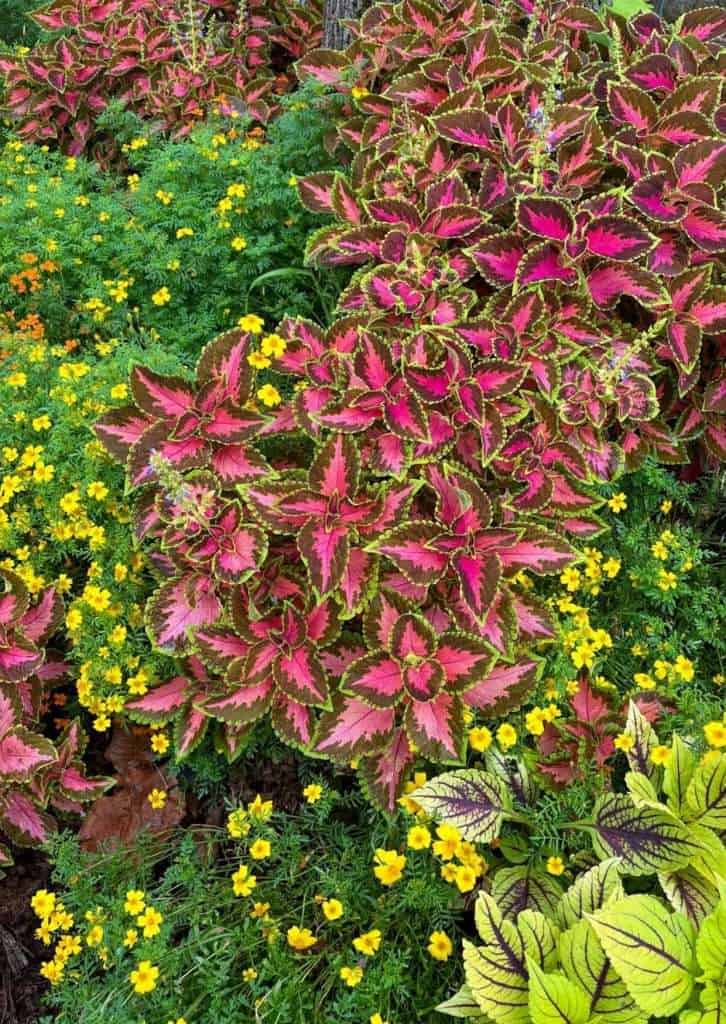
The gardens at Château de Fontainebleau are pretty impressive in size and have three main areas: the Diana Garden, the English Garden, and the Grand Parterre. Spending about three hours exploring the palace grounds is a great idea, especially when the weather is nice. With 130 hectares of parks and gardens, there’s a lot to explore.
Diana Garden

You’ll probably stumble upon the Diana Garden first, as it’s located between the château and the town. This garden started out in a French style for Queen Catherine de Medici, but it switched to an English-style garden with winding paths back in the 19th century. Right next to Place Napoléon, where you’ll find plenty of cafés and restaurants, there’s a stunning fountain made by Tommaso Francini in 1603. At the centre, you can see a bronze statue of Diana, which is a copy of that same year.
English Garden

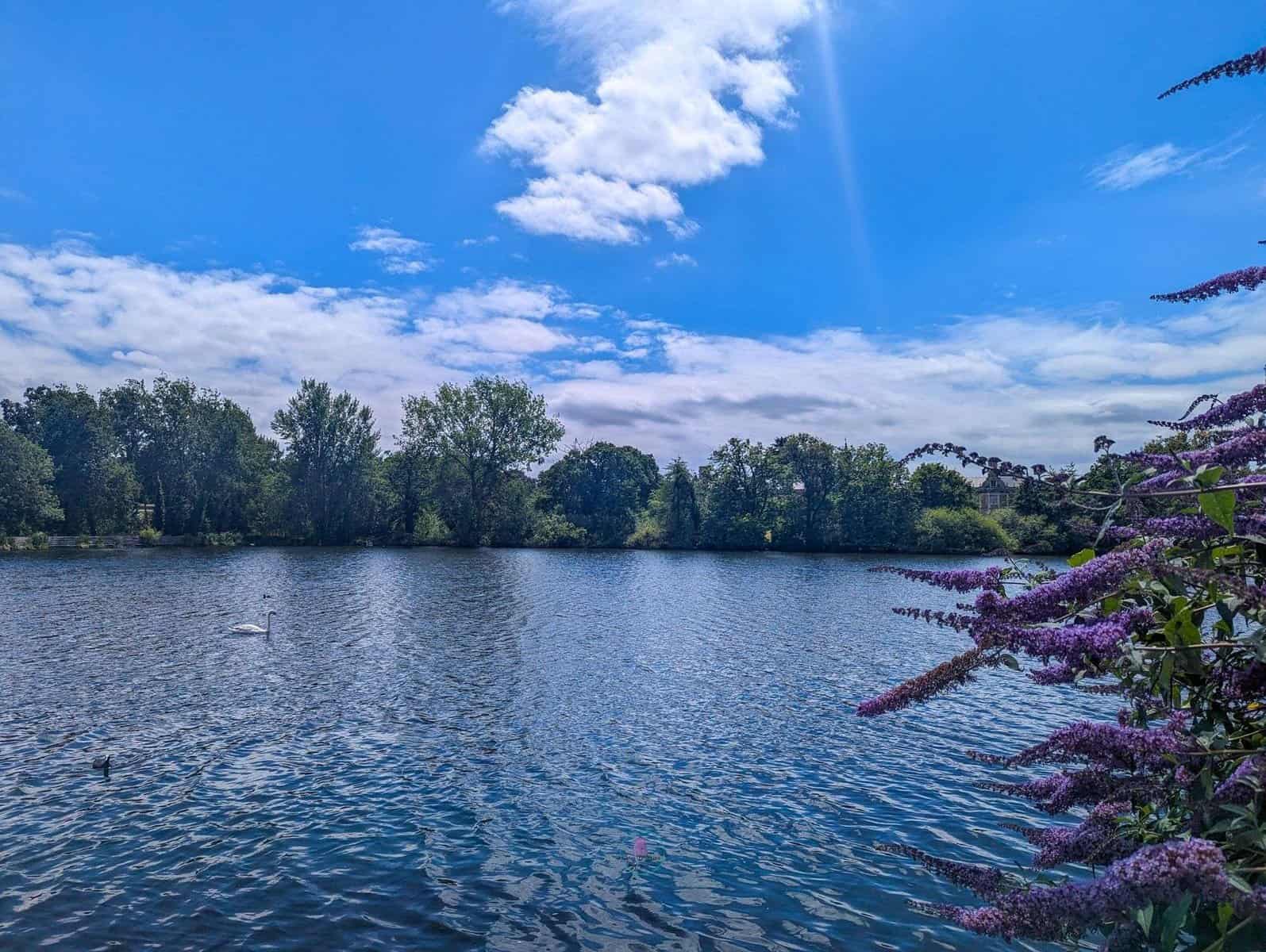
The English Garden is to the southwest of the château and is filled with beautiful flowers, especially in the spring. It’s a perfect spot for anyone who loves gardens. From here, you can enjoy views of the Carps Pond and the southern side of the château. The Carps Pond used to be a marsh and now serves as a lovely water feature that spans 6 hectares. You can rent small boats during the warmer months, too. At the heart of the pond is the octagonal Pavilion of the Pond, also known as the Water Salon, which was designed by architect Le Vau back in 1662.
Grand Parterre

The Grand Parterre is located to the southeast of the château, right across from the Carps Pond. It was redesigned by André Le Nôtre in the 17th century after his work at Vaux-le-Vicomte and before the well-known gardens at Versailles. This French-style garden covers 14 hectares and is the largest formal garden in Europe, featuring a central water square. While Louis XV did take out some original features, many remain, like the “pot bouillon” fountain in the central square pool, the Bassin des Cascades, and the two-kilometre-long canal.
Grand Canal

Beyond Cascade Avenue is the Château de Fontainebleau Park, where you can find the Grand Canal, built sixty years before the one at Versailles. Dug in the early 17th century during Henry IV’s reign, the Grand Canal stretches 1.2 kilometres long and is 40 meters wide, lined with lime trees. Unlike the gardens, you can access the Grand Canal all year round. When I visited in the summer, the grotto was being renovated, and some parts of the gardens were unexpectedly closed!
Other Things to Do in Fontainebleau
If you’re planning a day trip to Fontainebleau, getting an early start is the way to go. You can check out the castle and then head to a nearby town or take a hike in the beautiful forest.
Pause Café at a Local Café
After you finish exploring the castle, why not wander into town and stop by a cosy café or restaurant? Treat yourself to a hot coffee or a tasty French pastry while you watch the locals go about their lives. It’s a nice time to reflect on your day, go through your photos, and think about your next adventure in France.
We originally intended to visit Moret-sur-Loing after checking out the palace. But as soon as we left the castle grounds, it started pouring again, so we ducked into the cute Luwei Brunch Café. While we were sipping our coffee and watching the rain, we decided to skip the next town. As nice as it was to see the rain through the windows, walking around in it didn’t sound appealing!
Explore the Town of Fontainebleau
Fontainebleau is mainly famous for its castle and forest, but the old town is totally worth a stroll. The pedestrian streets have a medieval vibe that makes you feel like you’ve stepped back in time. You can almost see the 19th-century artists who found inspiration here. From charming old houses to stunning facades, along with museums and art galleries, there’s a cool mix of old and new. The streets are packed with at least 800 years of history, and if you listen closely, you can almost hear the buildings sharing their stories.
Explore Fontainebleau Forest

Alongside the amazing castle, Fontainebleau also has a gorgeous forest waiting for you to explore. The forest offers easy walking paths like the Gorge de Franchard, known for its beautiful rock formations and great picnic spots. If you’re into bouldering, that’s a local favourite too! There are tons of scenic hiking and biking trails perfect for a day of adventure.
Practical Information about Chateau de Fontainebleau
- Where to Purchase: You can grab tickets on the official website or skip the lines with GetYourGuide. There are also ticket machines on-site if you prefer to get them in person.
- Costs: A general admission ticket is €14, which gets you into the palace, the Grands Apartments, and the Napoleon I Museum. You can stroll through the gardens and parks for free!
- Free Entry: Enjoy free entry on the first Sunday of each month.
- Opening Hours: The castle is open every day except Tuesdays and on these dates: January 1st, May 1st, and December 25th. Make sure to arrive at least 45 minutes before closing if you want to get in. Just a heads up, it can get pretty busy on weekends.
- April to September: 9:30 am to 6 pm
- October to March: 9:30 am to 5 pm
How to Get to Fontainebleau
By Train
Getting to Fontainebleau is pretty easy, especially if you’re coming from Paris. You can catch a direct train from Gare de Lyon to Montargis, Sens, Montereau, or Laroche-Migennes. The ride to Fontainebleau-Avon only takes about 40 minutes, making it a great spot for a day trip.
Once you get to Fontainebleau-Avon, just head over to the bus stop right outside the station. Hop on Bus Line 1 towards Les Lilas, and you’ll be at the “Château” bus stop in under 20 minutes. From there, it’s a quick walk to the castle through the Jardin de Diane (Garden of Diane). Book your train to Paris with Omio
By Car
If you prefer to take a leisurely stroll, you can also walk along the canal or through the town to reach the castle, which takes about 35 minutes. If you’re thinking about a road trip around Paris or anywhere else in France, renting a car could be a good shout. You can easily get to Fontainebleau via the A6 motorway from Paris (either Porte d’Orléans or Porte d’Italie). Just take the Fontainebleau exit and follow the signs for “Château.” Just a heads up, driving in Paris can be a bit tricky with all the traffic, so if you can, it’s best to skip driving in the city.
By Guided Tour
If you want someone else to do the planning, there are a bunch of guided tours available. Some areas in the Château de Fontainebleau are only accessible through these tours, so it’s worth checking them out. Tours visit places like the Petits Appartements, the Imperial Theatre, and the Turkish Boudoir. They can be a bit pricey, though. You might also find combo tours on sites like Viator or GetYourGuide that take you to two French castles in one day—like Château Vaux le Vicomte and Château de Fontainebleau.

How Much Time Do You Need in Fontainebleau?
If you’re headed to Fontainebleau, plan to take your time! With the palace grounds being so big and tons of rooms to check out, you’ll want about 6-7 hours to really enjoy it all. It’s definitely not a place for rushing. If you want a more chilled-out visit, plan on spending 2-3 hours inside the castle, exploring the gardens, and grabbing some lunch or coffee in the town.
When Should You Visit the Château de Fontainebleau?
You can easily fit a trip to the Château de Fontainebleau into your Paris plans. Since most things to do there are indoors, any time of year works! We visited on a rainy day in early September, and there weren’t many tourists. Each season gives you a different vibe:
- Spring & Summer: Perfect for walking around the gardens and enjoying all the flowers. Pack a picnic or hop on a boat at the lake.
- Autumn: The gardens are gorgeous with fall colours.
- Winter: The gardens can look magical, especially when it snows.
Where to Stay in Fontainebleau
While you can do Fontainebleau in a day, it’s actually nice to spend the night to explore more without rushing back to Paris. Here are a few places to consider:
- Demeures de campagne Château de Fontainebleau – Mercure: A lovely hotel right near the castle.
- Hôtel & SPA Napoléon: What’s cooler than staying in a relaxing hotel with a spa after visiting the castle? Enjoy a great stay minutes from the castle.
- L’Aigle Noir Hôtel Fontainebleau – M Gallery: A stylish former mansion that offers a boutique hotel experience.
The Château de Fontainebleau makes for an easy day trip from Paris, offering a great escape while soaking up some French history. It’s not as packed as the Château de Versailles and has stunning gardens and impressive decor, so it’s sure to be a memorable experience. If you’re in Paris, don’t miss this amazing, quieter alternative to Versailles!
Have you been to Fontainebleau, or are you thinking about a trip? Share your favourite moments, tips, or any questions in the comments—I’d love to hear what you have to say!
Like It? Pin for Later!
Related Posts:


Château de Fontainebleau looks incredible. I mean, no place can have a historic Château quite as good as as one in France! It’s interesting that it is less popular with French people when it is such an incredible area. The decor inside each room is just so opulent and those gardens are fabulous.
Thank you so much for your kind words! I completely agree—there’s something truly special about French châteaux, and Fontainebleau is one of the finest examples. The beautiful interior decor and the stunning gardens really do transport you back in time. It’s true that Fontainebleau isn’t as crowded as some other sites, which makes it even more of a hidden gem to explore at your own pace.
SO beautiful! Will have to check it out next time I’m in Paris!
Thanks Anna. Absolutely! It’s just an hour’s trip from Paris, so it makes for a perfect day trip. I’m sure you’ll love exploring the beautiful rooms and wandering through the peaceful gardens. Let me know if you need tips for your visit when the time comes! 😊
OMG WHAT THIS PLACE IS STUNNING!!!! 😍😍😍😍 i can’t imagine this place being less crowded but OMG TALK ABOUT A WIN UPON A WIN!
Fontainebleau’s quieter atmosphere is one of its biggest perks, allowing you to soak in all that beauty without the hustle and bustle. It’s definitely a win in every sense. I hope you get to experience it soon!
Thank you for sharing such an in-depth and informative guide to Château de Fontainebleau! It’s clear that the château offers a rich blend of history, architecture, and culture, making it a must-visit destination for anyone traveling to Paris or the surrounding areas. From the fascinating royal connections to the stunning art and gardens, it seems like there’s something for everyone. I especially love the tip about visiting the less crowded Fontainebleau, which gives travelers a chance to experience its grandeur without the crowds of Versailles. This is truly a gem for those looking to dive deeper into France’s royal past!
Thank you so much for your thoughtful comment, Pra! I’m happy you enjoyed the guide and that it highlighted some of the château’s incredible charm. Fontainebleau really offer something for everyone, and its quieter atmosphere is such a bonus.
Thank you so much for sharing this beautiful and informative guide about Château de Fontainebleau! The history, stunning architecture, and serene gardens sound absolutely captivating. I truly appreciate the insights on how to make the most of a visit, from exploring the royal apartments to enjoying the surrounding natural beauty. It’s definitely a spot I’d love to visit someday! Thank you again for this wonderful recommendation!
Thank you for this beautifully detailed guide to Château de Fontainebleau! Your descriptions of the stunning galleries, opulent apartments, and serene gardens brought the experience to life. I especially loved learning about the François I Gallery and the Imperial Theatre—such rich history! This post has convinced me that Fontainebleau deserves a spot on my next trip to France. I truly appreciate the tips for exploring both the château and the surrounding area. Amazing work!